Nature’s Abundance is driven by a simple conviction:
we must take care of the Earth for it to take care of us.
Through photography, painting and digital mixed media, the collection explores humanity’s evolving
relationship with the natural world and the fragile threshold between abundance and ecological loss.
It begins by observing beauty, growth and renewal, before considering our place within shared ecosystems
and the pressures created by human activity.
As the journey progresses, familiar landscapes become increasingly unsettled. Signs of intervention,
instability and environmental change emerge, culminating in imagined consequences where the balance
between humanity and nature has been pushed towards breaking point.
Yet the collection does not end with catastrophe. It returns to renewal, preservation and choice,
asking us to recognise what the Earth gives us, consider what our actions place at risk, and decide
what kind of world we want to leave behind.
Encountering the beauty, vitality and quiet generosity of the natural world.
The journey begins with abundance. Flowers, forests, waterways and open landscapes reveal a world
continually growing, renewing and sustaining life, often without demanding our attention. These works
invite the viewer to slow down and encounter nature not simply as scenery, but as a living network
upon which all life depends.
Beauty is the entry point, but appreciation carries responsibility. By paying attention to what flourishes
around us, we begin to understand what is worth protecting.
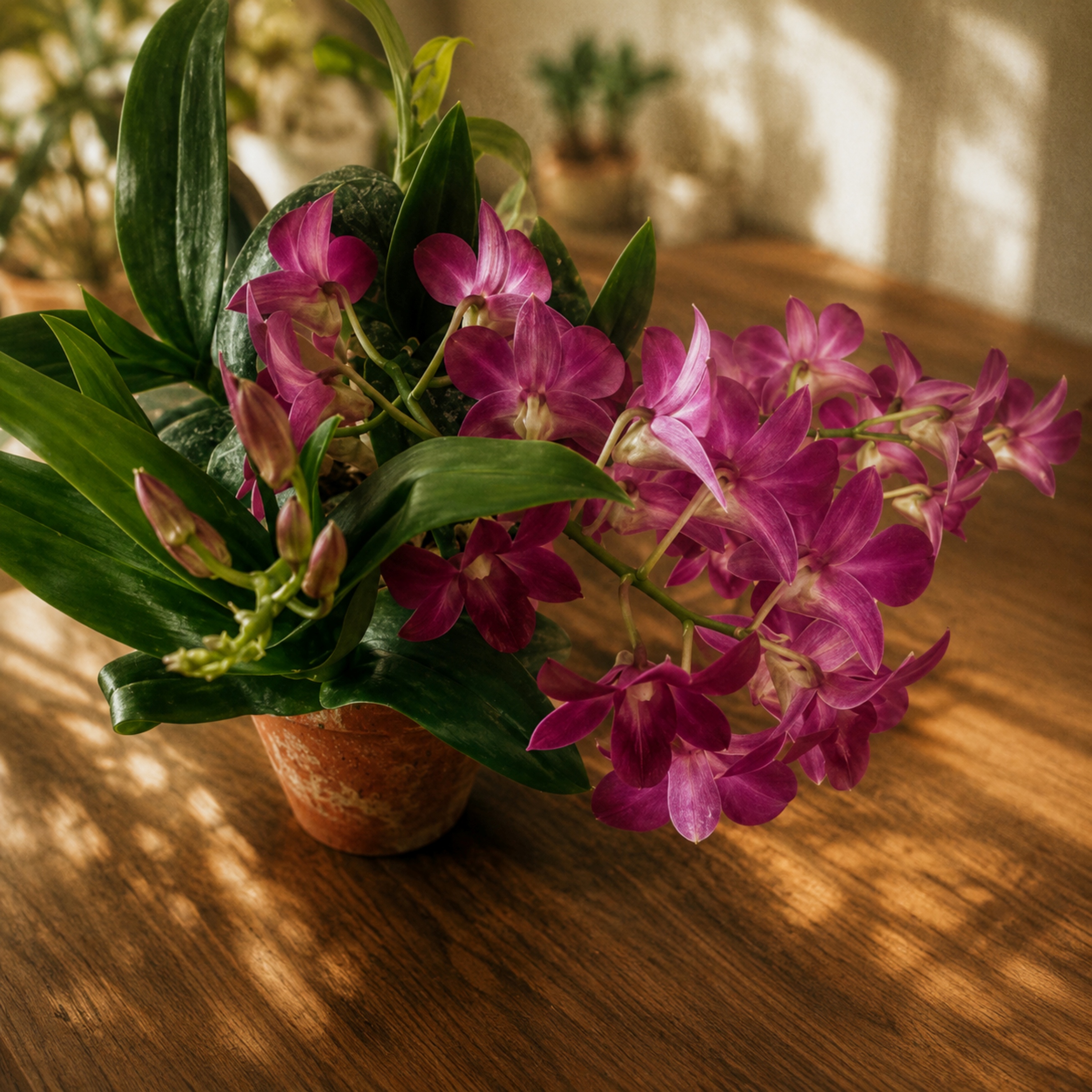
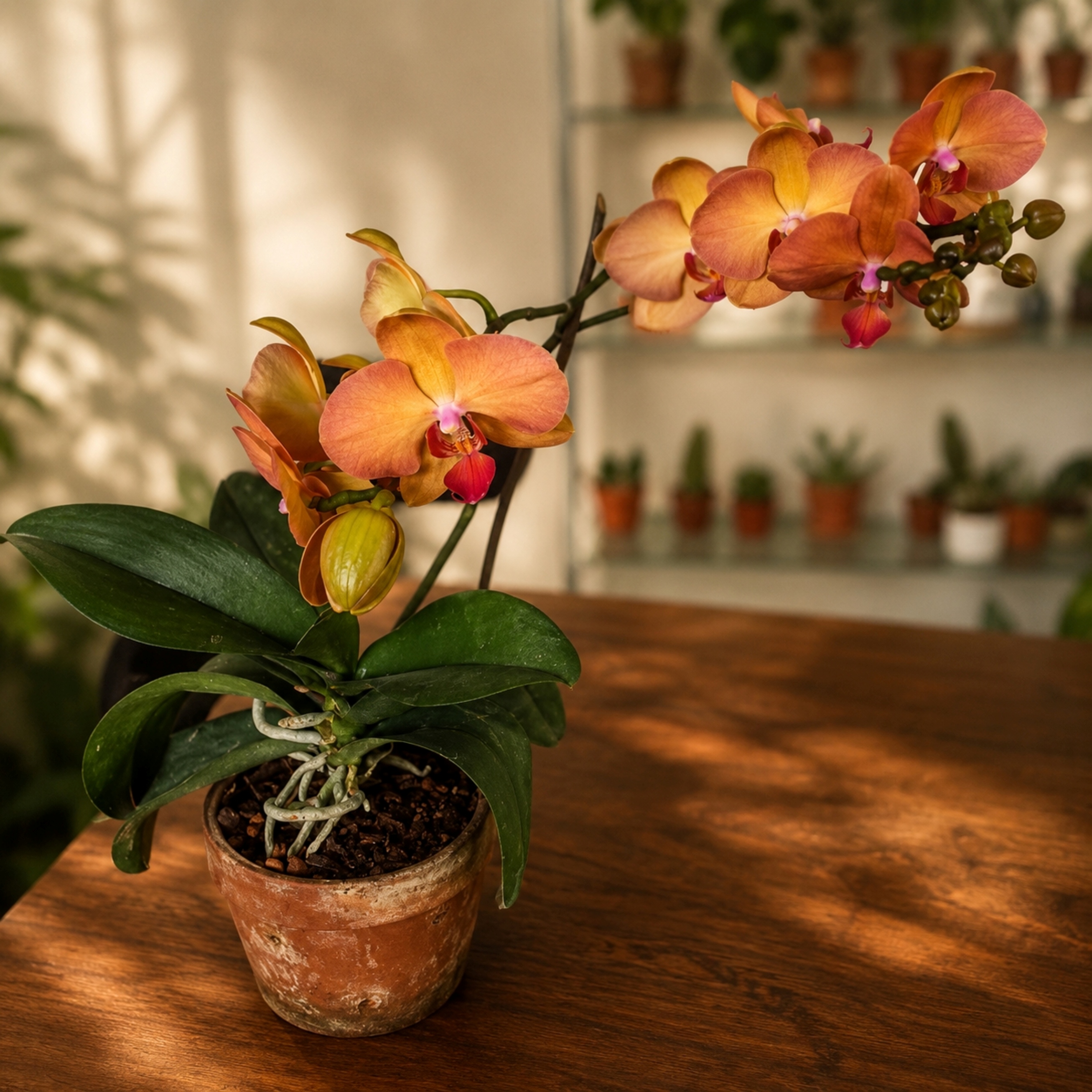
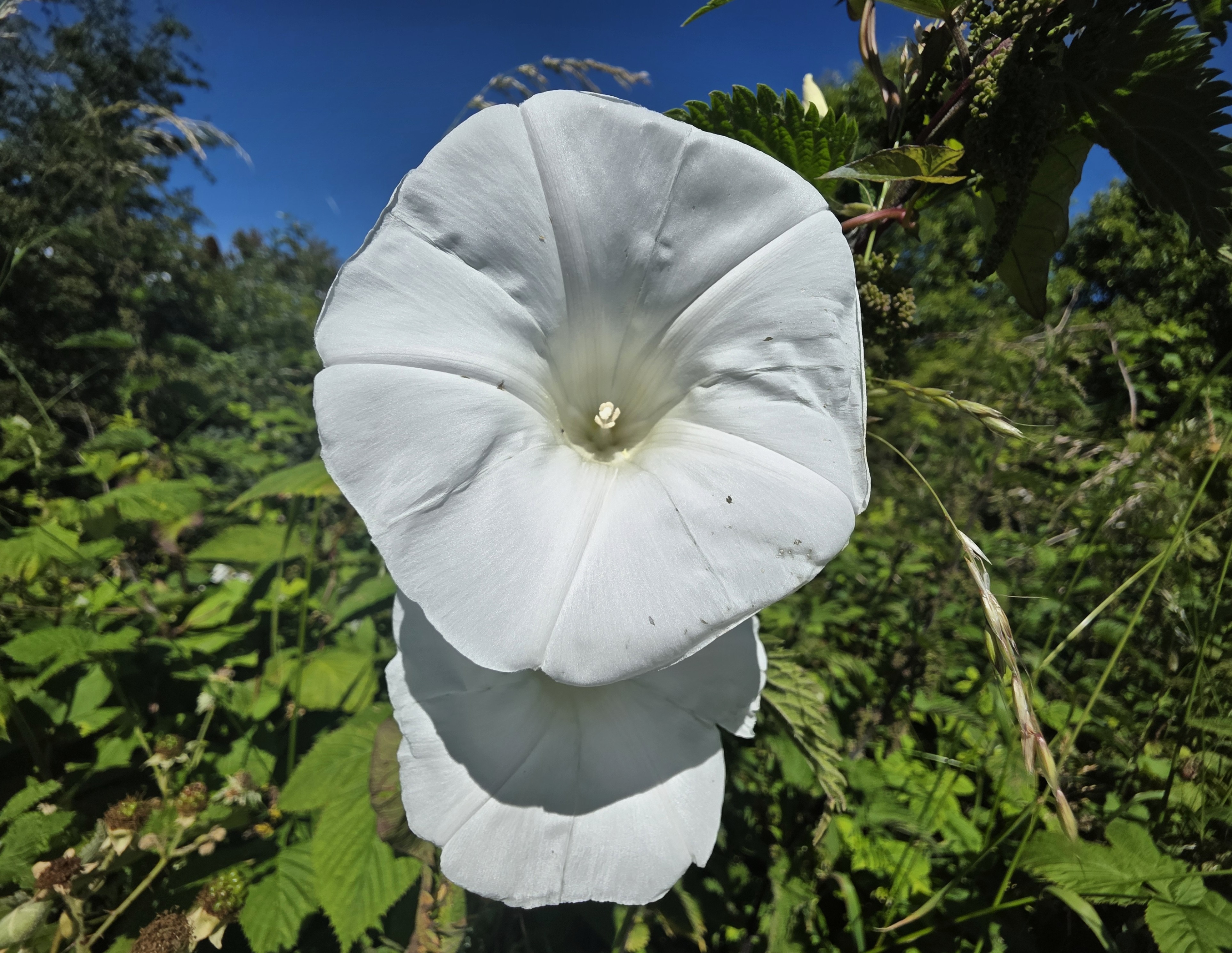
Blooming Presence
Photography
A single bloom becomes an expression of vitality, resilience and renewal.
Flourishing quietly and without spectacle, it asks us to notice forms of
life that are easily overlooked and to recognise that even the smallest
living presence contributes to the richness of the natural world.
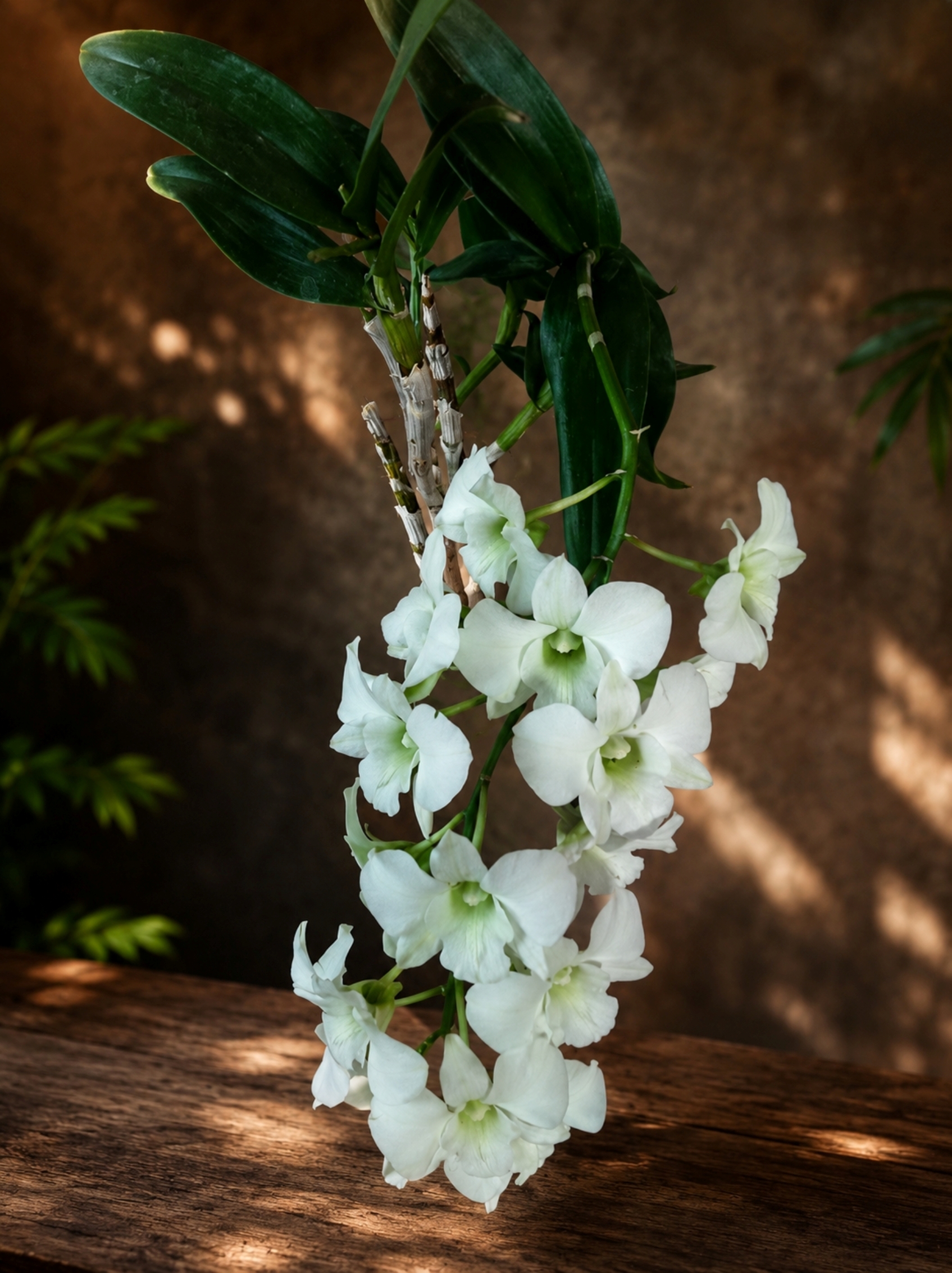
Whisper of Grace
Photography
Delicate form and colour reveal a quieter kind of strength. The flower
becomes a reminder that nature’s resilience does not always announce itself
dramatically; sometimes it exists through patience, adaptation and the continuous renewal of life.
Quiet Abundance
Photography
Abundance is not always excess or spectacle. It can be found in the ordinary accumulation
of leaves, flowers, birdsong, open skies and countless interconnected forms of life. The
work celebrates a richness so familiar that we may only recognise its value when it begins to disappear.
Into Silence
Photography
A path disappears into dense woodland, drawing the viewer away from human noise and into
a landscape governed by its own rhythms. The work considers the value of spaces allowed
to remain quiet, reminding us that not every part of the natural world needs to be occupied,
altered or controlled.
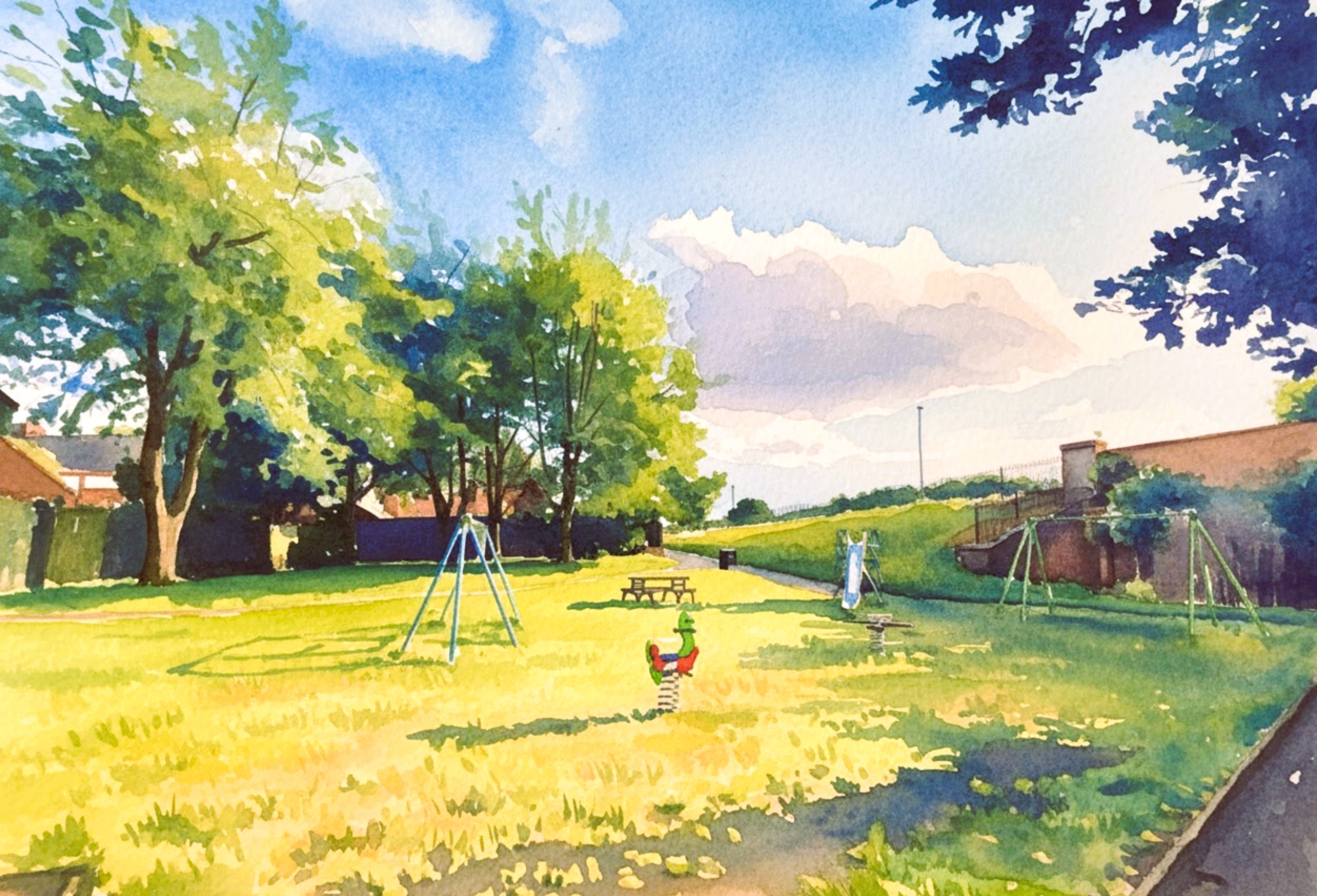
Summer’s Quiet Promise
Photography
Warm light and flourishing vegetation capture summer as a season of possibility, growth and abundance.
Beneath its nostalgic beauty lies a simple promise: when environmental conditions allow life to thrive,
nature continues to nourish both the landscapes around us and the experiences we build within them.
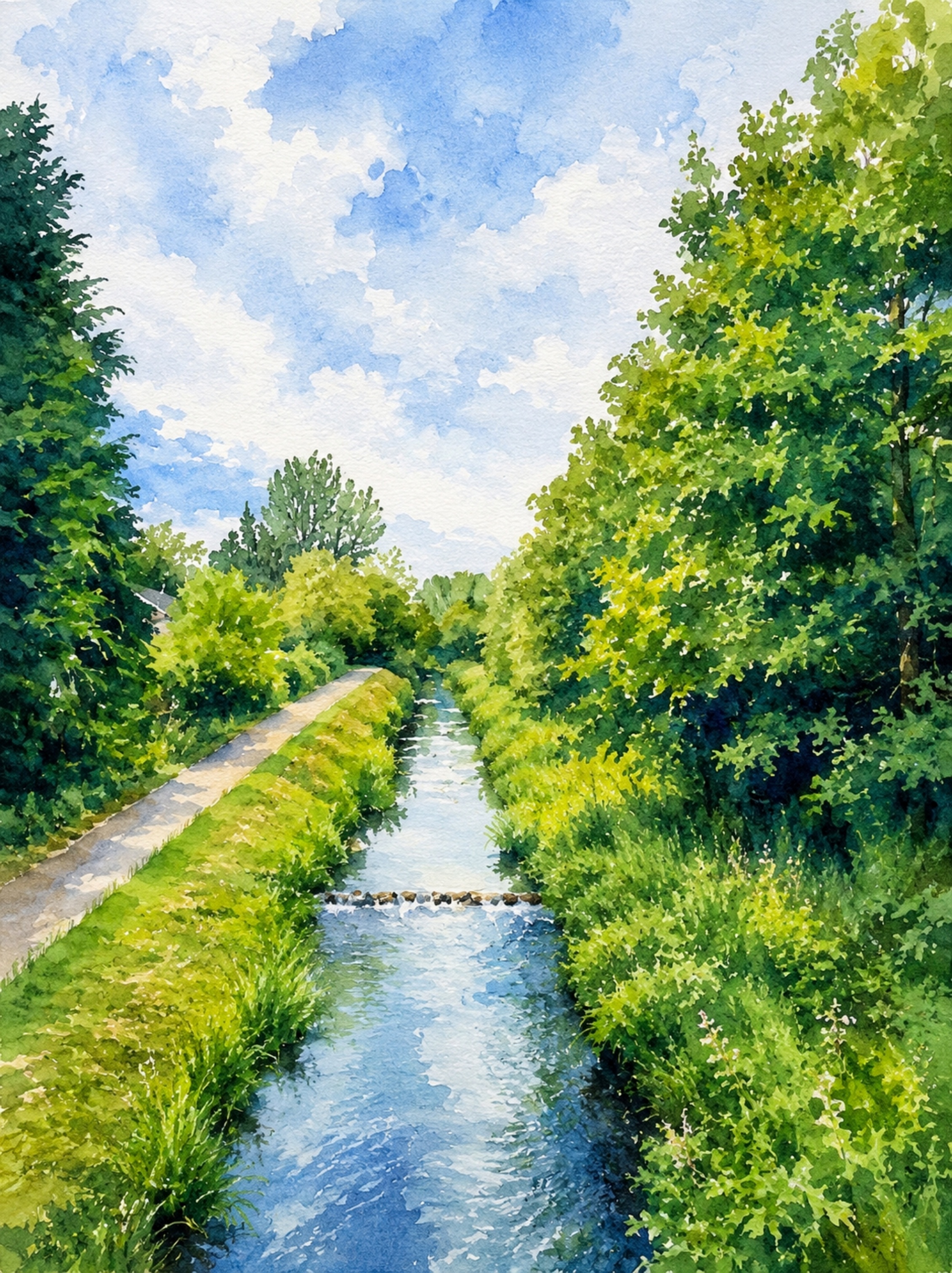
Where Water Wanders
Photography
Water moves through dense foliage without regard for human boundaries, shaping the landscape as it travels.
Its winding course reflects the interconnected systems through which water sustains forests, wildlife and
communities, reminding us that what happens upstream eventually reaches somewhere else.
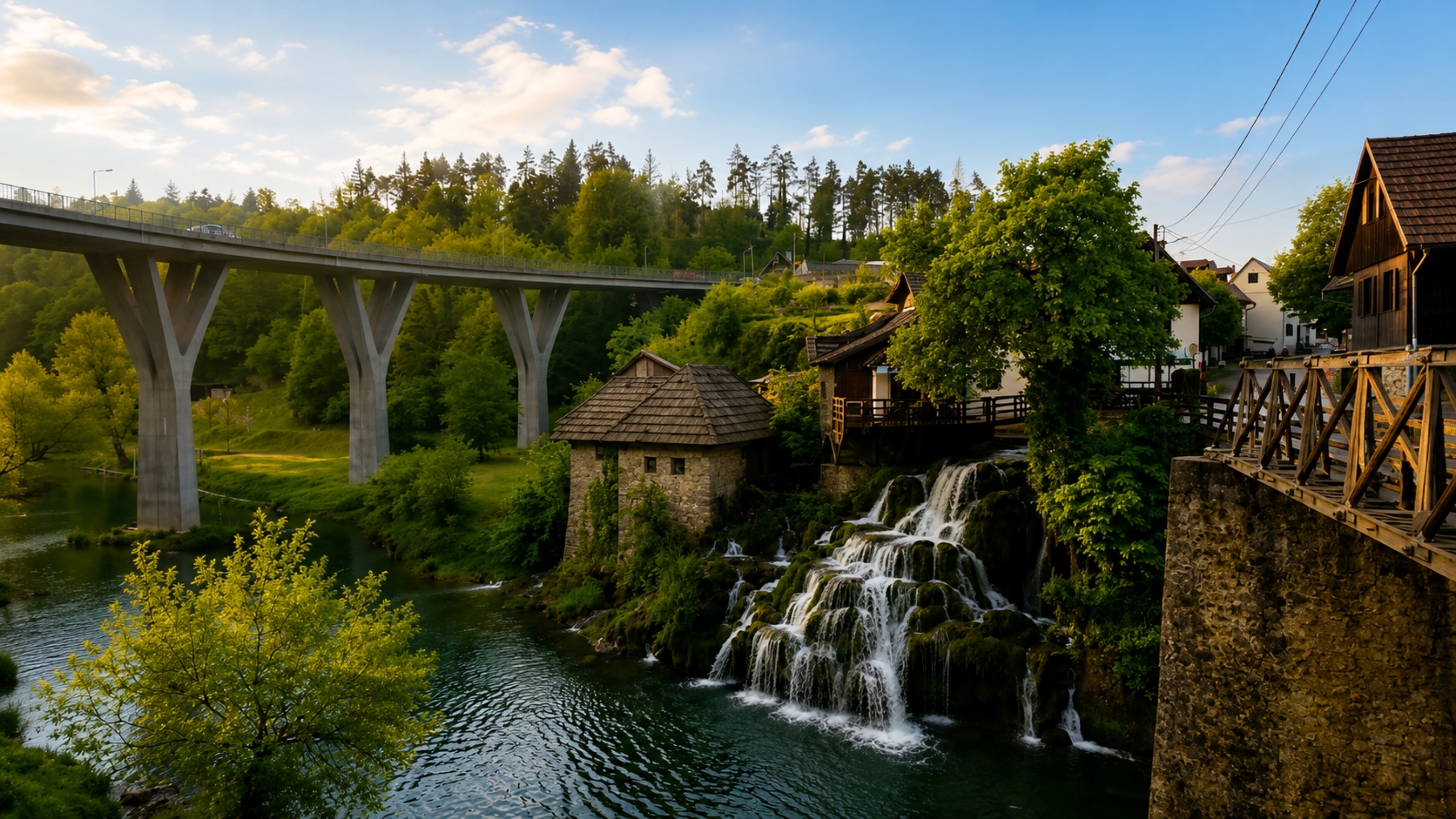
Living with Water
Photography - Rastoke, Croatia
In Rastoke, buildings and flowing water occupy the same landscape, revealing a longstanding
relationship between human settlement and natural systems. Rather than presenting humanity
and nature as opposites, the photograph introduces the possibility of coexistence, providing
the transition into the collection’s second act.
Act II
Coexistence
Recognising that humanity exists within nature, not apart from it.
Having first encountered the natural world through abundance, the second act asks where humanity
belongs within it. Landscapes are not ours alone: people, animals and plants depend upon interconnected
systems of land, water, climate and habitat.
These works shift the collection from appreciation towards responsibility. If the Earth is shared,
then how we occupy it and what we choose to preserve for other forms of life becomes an ethical question.
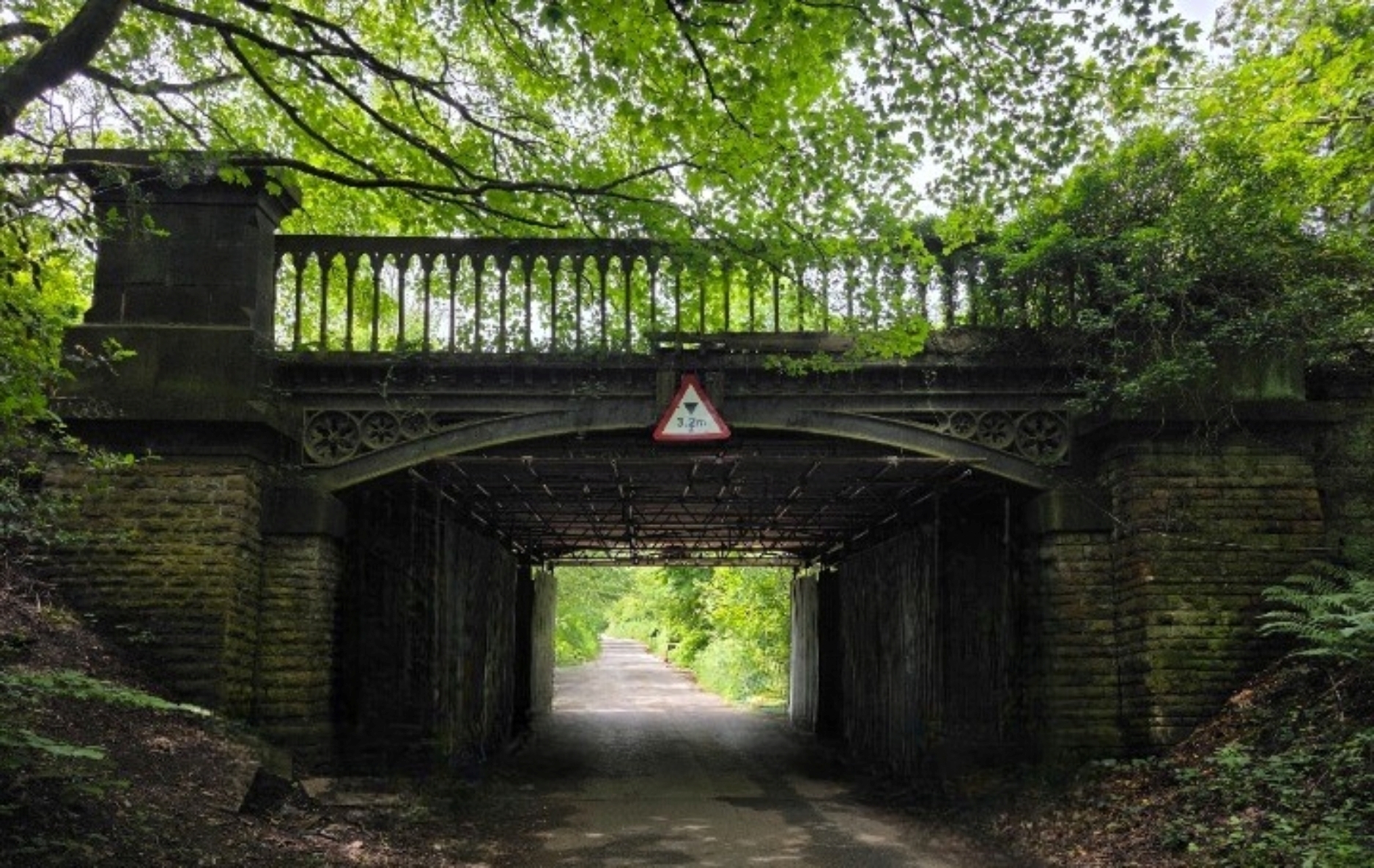
Threshold
Photography
An old stone crossing becomes a symbolic boundary between what has been and what might come next.
Positioned between human construction and surrounding vegetation, Threshold asks whether coexistence
is something we merely inherit or something each generation must consciously choose to carry forward.
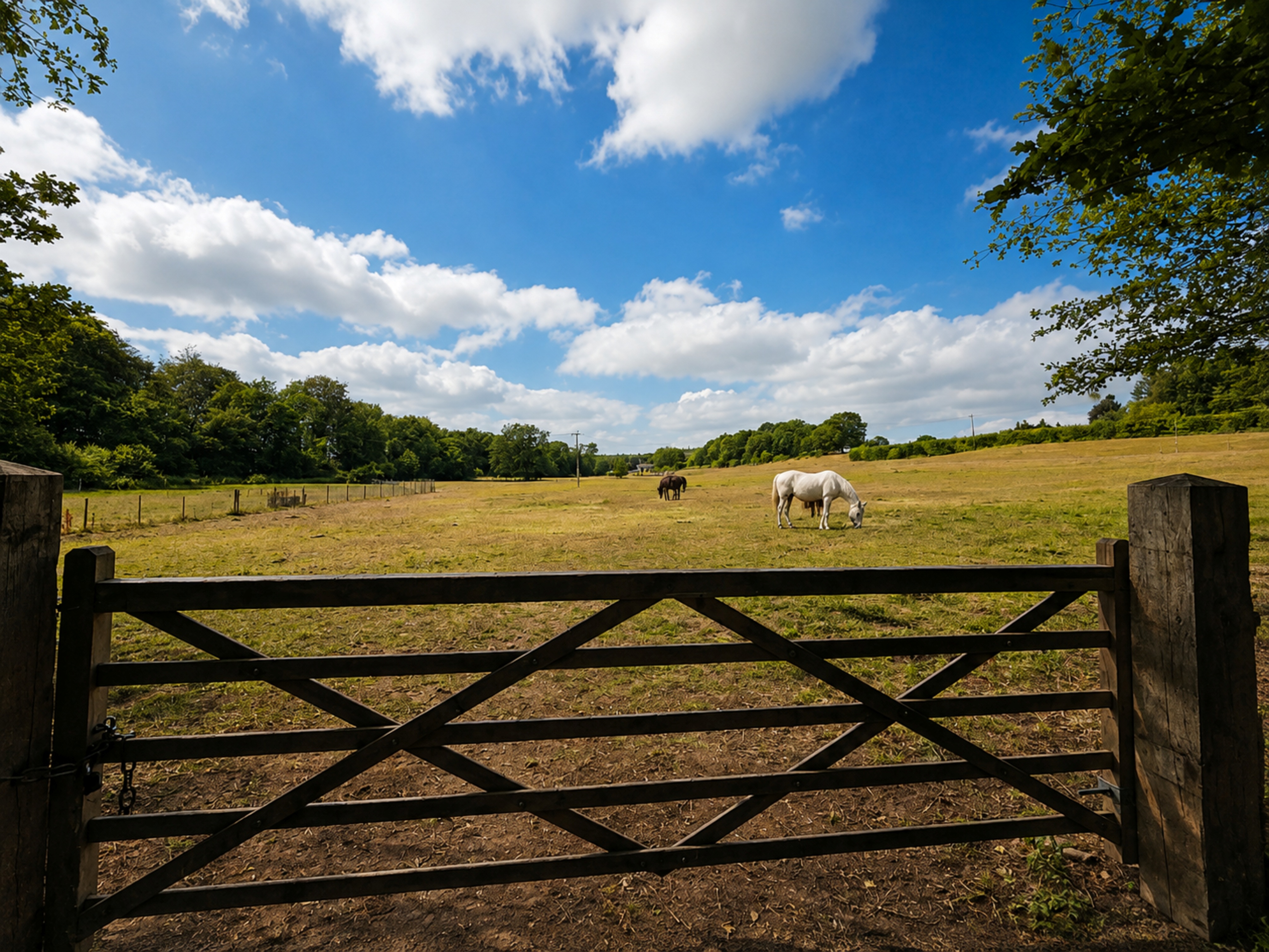
Shared Earth
Photography
An open landscape challenges the assumption that land exists primarily for human use.
Plants, animals and people occupy the same interconnected world, each dependent upon
systems extending beyond individual ownership. The work reframes the environment not
as our possession, but as a shared home.
Room for Every Life
Photography
As natural habitats face increasing pressure, spaces in which different species can flourish
become increasingly precious. Room for Every Life is a plea for conservation and coexistence,
asking whether human progress can leave sufficient space for the countless other forms of life
with which we share the planet.
Act III
Warning Signs
Beauty begins to shift as intervention, instability and environmental pressure enter the landscape.
The third act disrupts the harmony established earlier. Human development, changing environments and increasingly
altered imagery enter the visual language of the collection. At first, the warning signs are subtle: the landscapes
remain beautiful, but something no longer feels entirely secure.
As the works progress, familiar environments become increasingly unfamiliar. The act considers one of the dangers
of ecological decline: change can become normalised while it is still gradual enough to ignore.
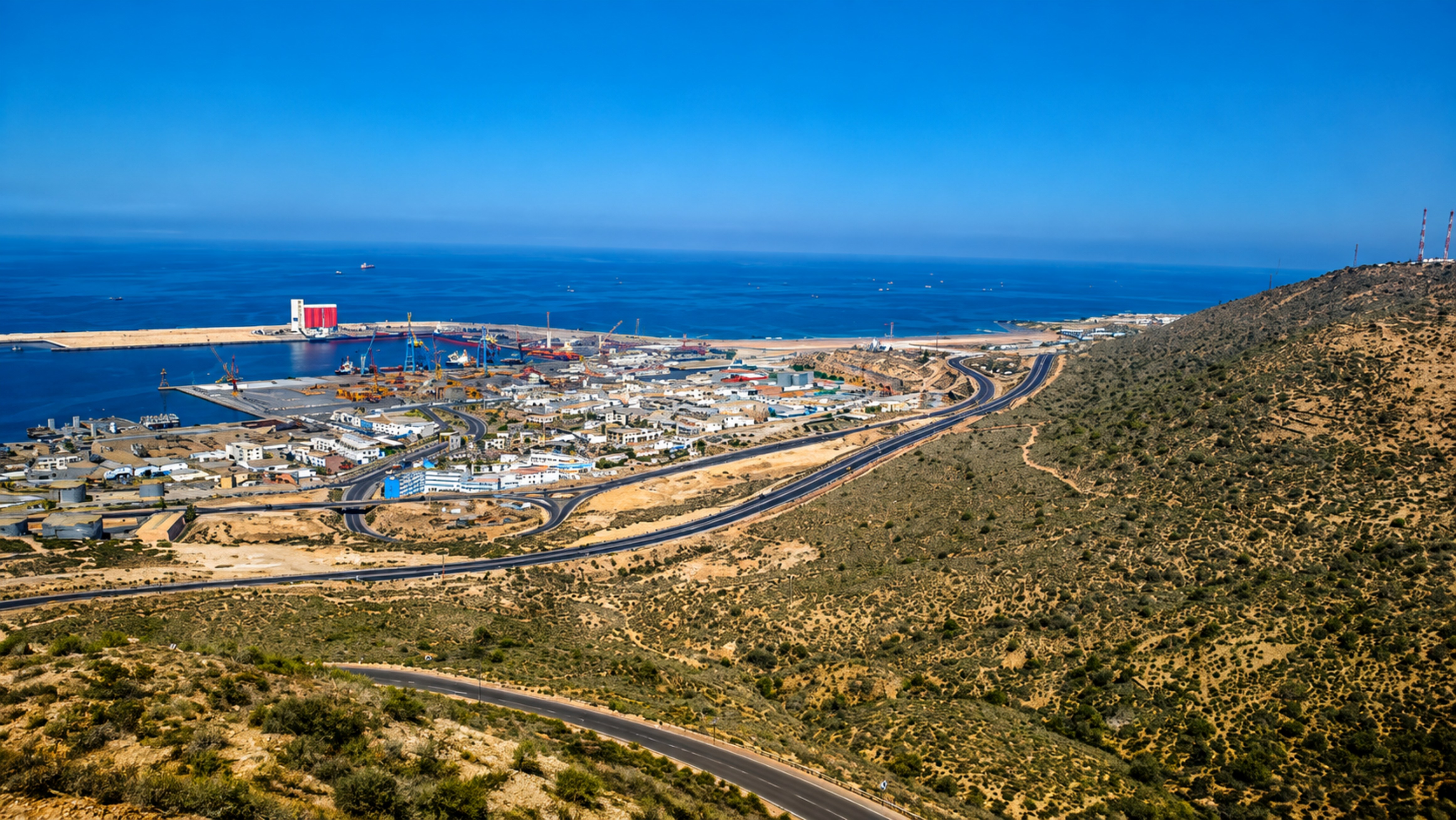
Edge of Progress
Photography
Along the coastline, human development meets the natural landscape. Neither is presented in isolation;
instead, the work examines the boundary where our desire to build, expand and progress encounters
ecosystems with limits of their own. It asks what progress means when its environmental cost is
excluded from the calculation.
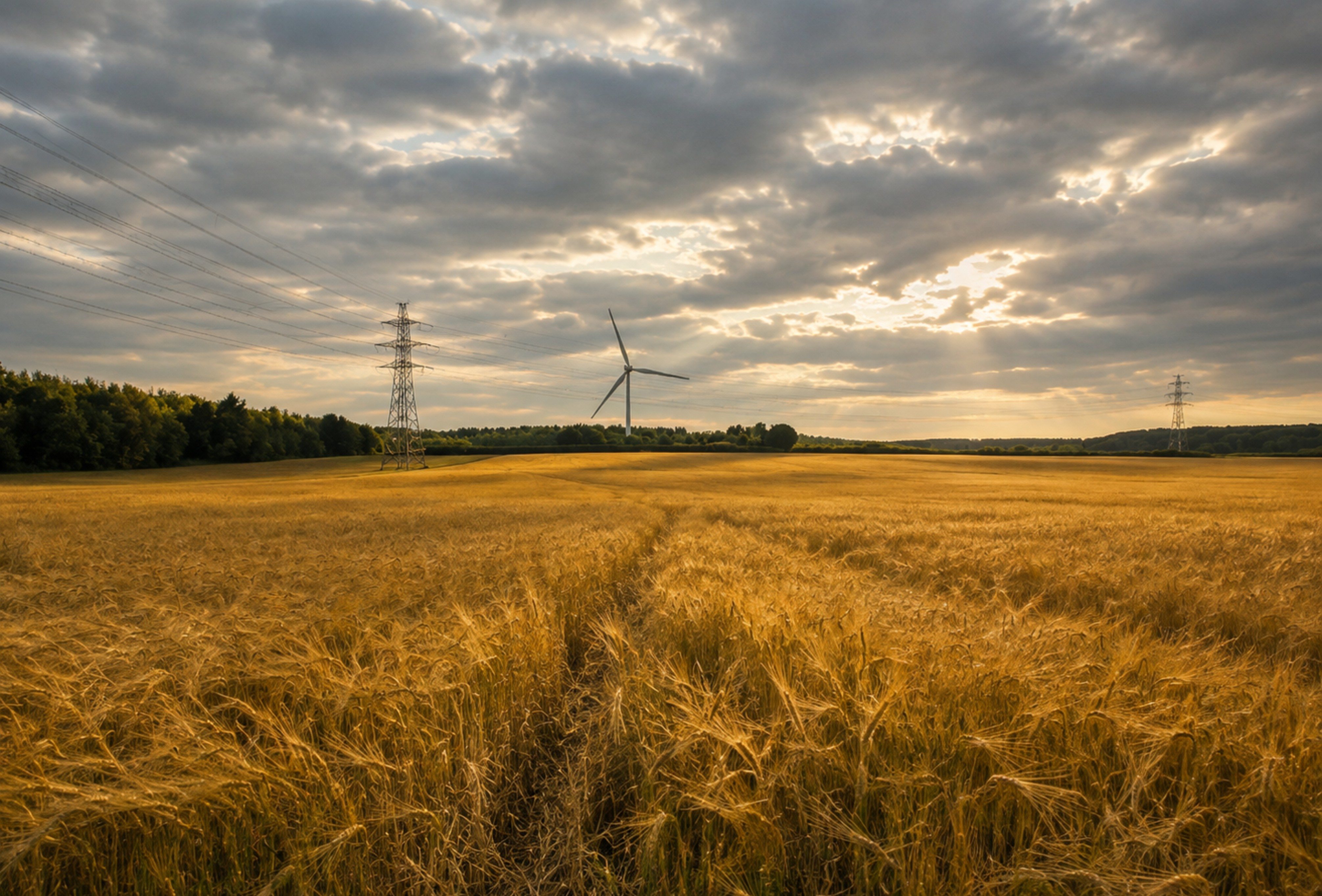
Harvest Tomorrow
Photography
Open fields connect environmental health directly to human survival. Every harvest depends
upon soil, water, climate and ecological systems that cannot be endlessly depleted.
The work asks us to see environmental responsibility not as an abstract concern, but
as an investment in whether future generations can continue to be nourished by the land.
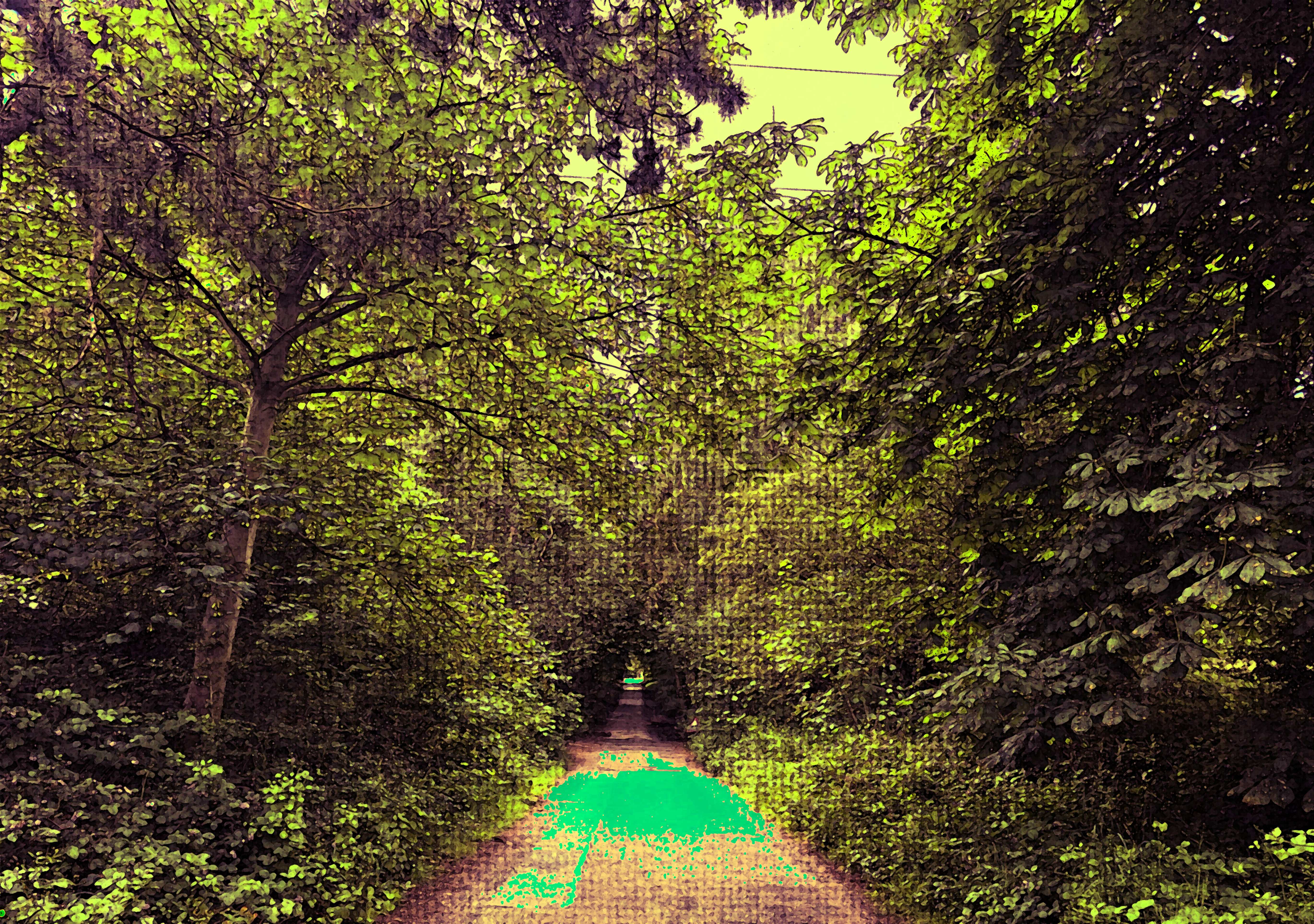
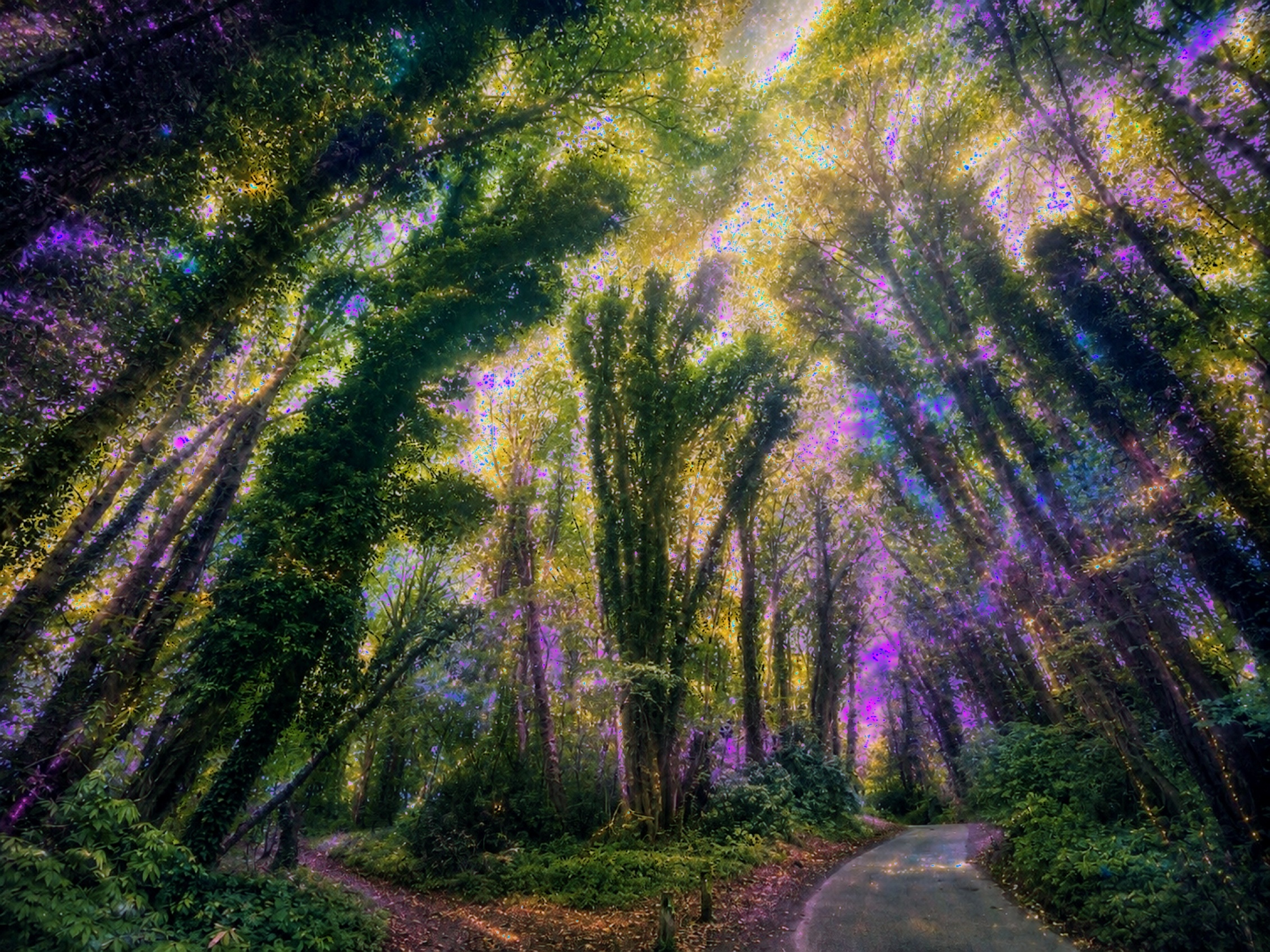
Luminous Path
Digital Photography
An illuminated forest shifts from natural familiarity towards something more surreal.
Its heightened light is simultaneously beautiful and unsettling, marking a point where
the visual language of the collection begins to change. The path remains open, but the
environment around it suggests that the direction we choose increasingly matters.
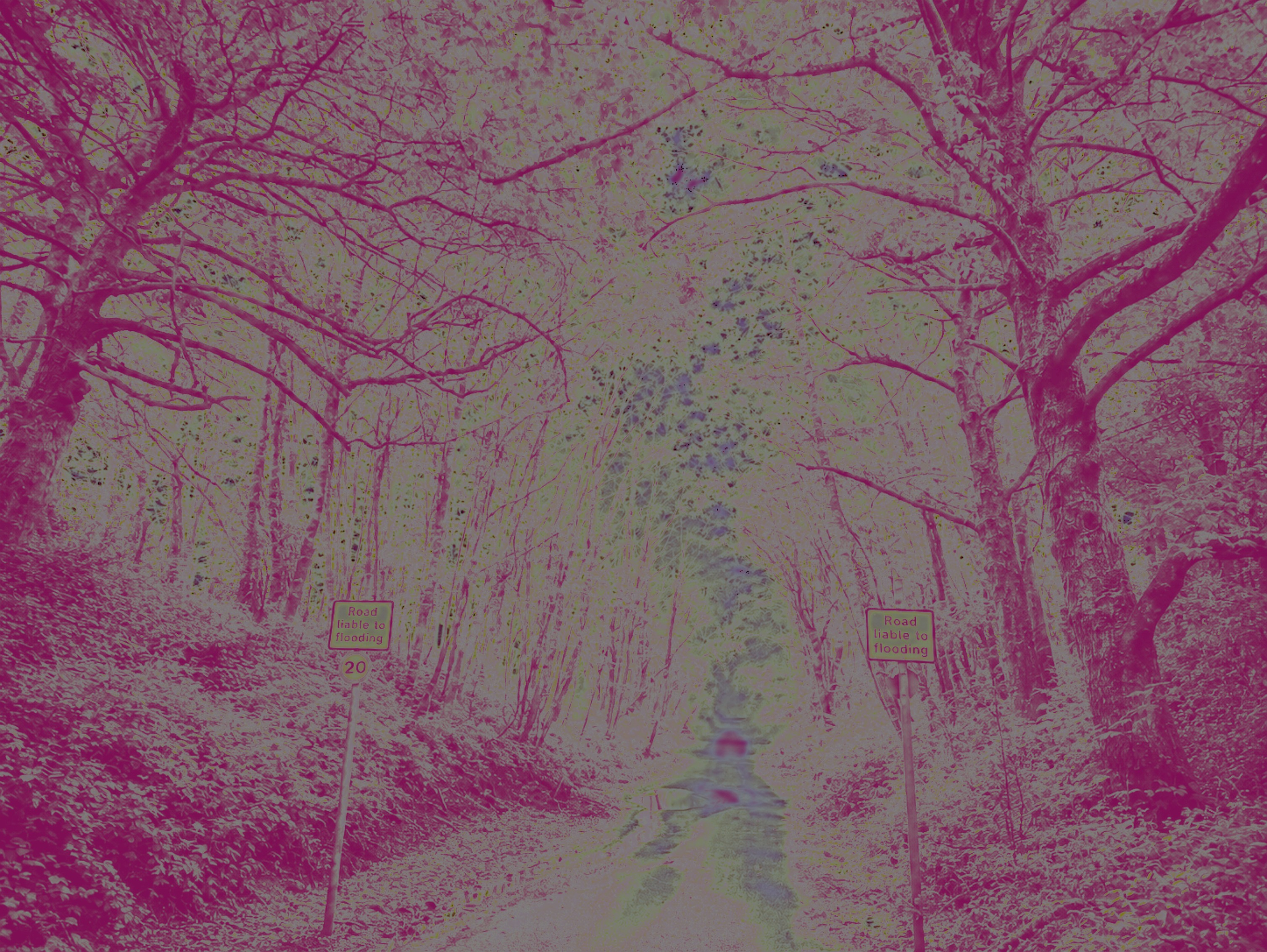
Silent Warning
Digital Photography
A beautiful pink forest initially appears dreamlike and inviting, yet its altered colour
introduces an underlying sense of instability. Beauty becomes deceptive: the landscape
still exists, but something feels wrong. The work reflects on environmental warnings that
can remain easy to overlook precisely because catastrophe has not yet arrived.
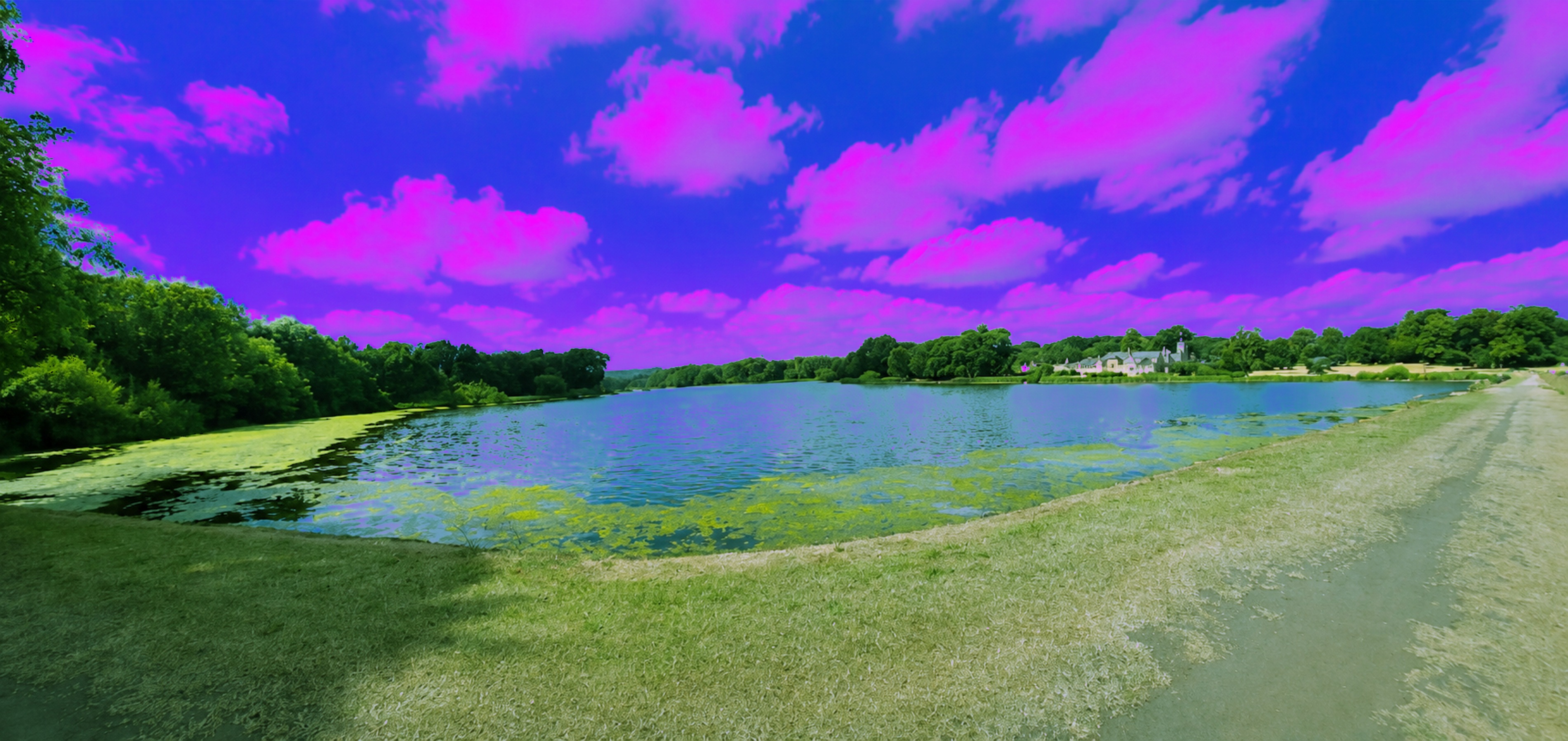
Unnatural Horizon
Digital Photography
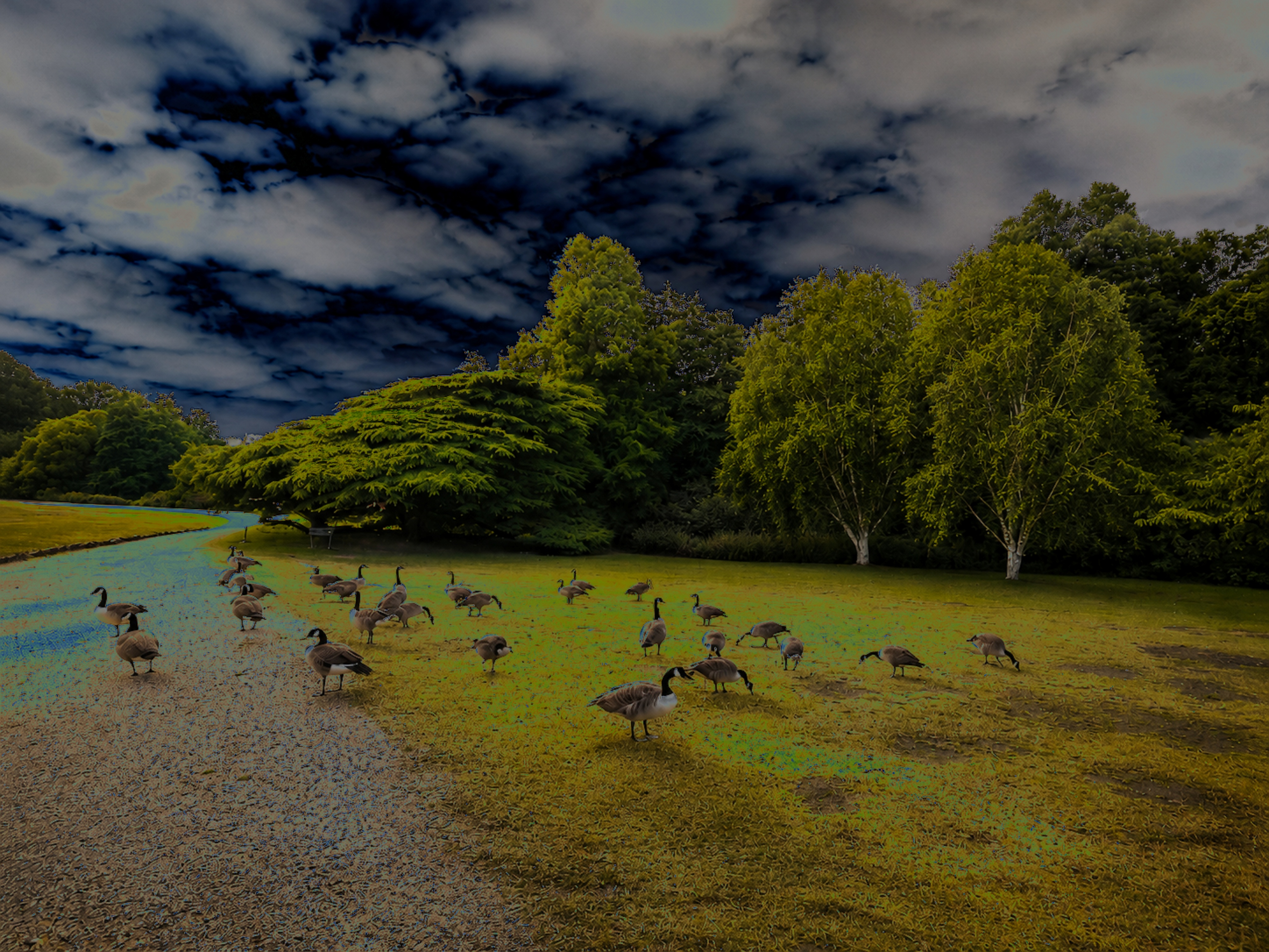
Familiar landscape is pushed further into artificial colour and visual distortion until
the boundary between natural beauty and environmental unease becomes difficult to locate.
Unnatural Horizon imagines the psychological edge of ecological change, a world still
recognisable as ours, but increasingly transformed by forces we have failed to contain.
Act IV
At the Edge of Tomorrow
Consequence is confronted by renewal, leaving the future unresolved.
The final act stands between two possible tomorrows. The gradual warnings of the previous works reach
their most extreme expression in Tipping Point, where environmental pressures collapse into an imagined landscape of consequence.
But catastrophe is not presented as inevitable. The collection turns back towards protected landscapes,
renewal and resilience, confronting an imagined future with environments that still exist in the present.
The final works therefore shift the question from what might happen to what we choose to preserve.
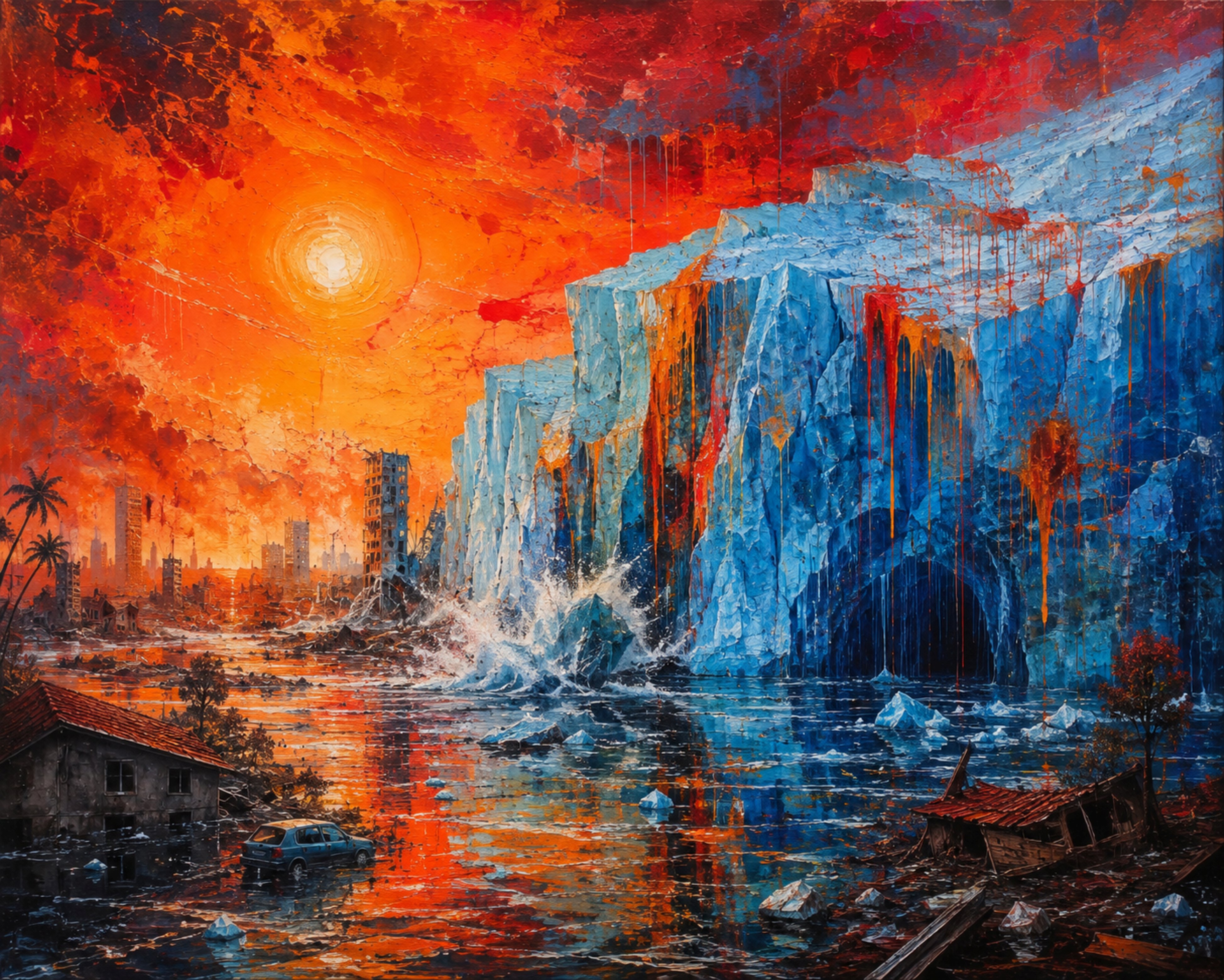
Tipping Point
Acrylic Painting
A burning sky, an encroaching city and melting ice collapse into a single imagined landscape,
bringing environmental extremes together within one unsettling reality. As the narrative peak
of the collection, Tipping Point visualises the consequences of pushing natural systems beyond
their limits and demands responsibility before environmental warning becomes irreversible loss.
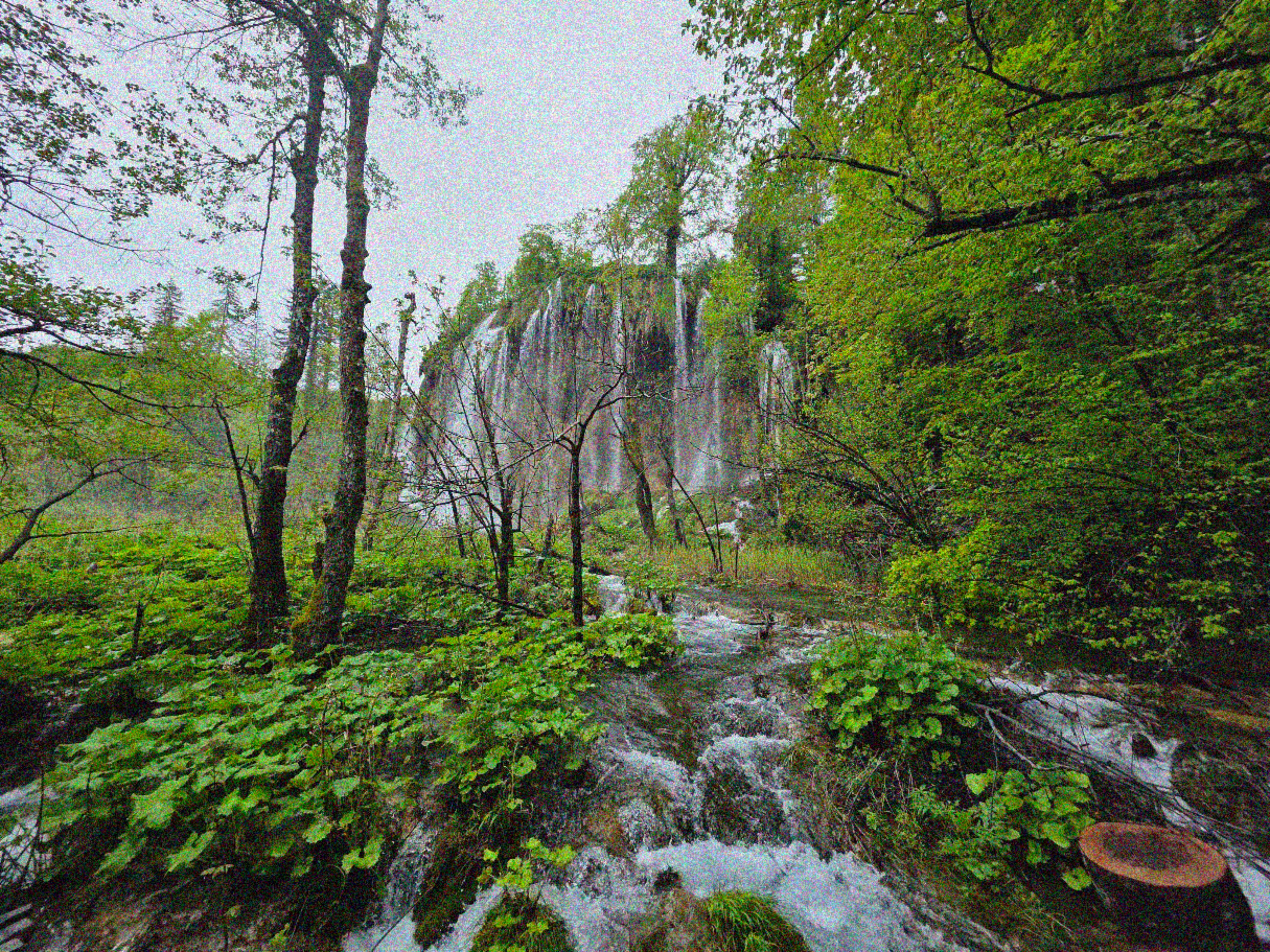
Source of Renewal
Photography - Plitvice Lakes National Park, Croatia
Water rushes through protected forest with an energy that suggests continuity, regeneration
and life. Following the imagined crisis of Tipping Point, the photograph changes the direction
of the narrative, reminding us of nature’s capacity for renewal when ecosystems are given the
space and protection they need to flourish.
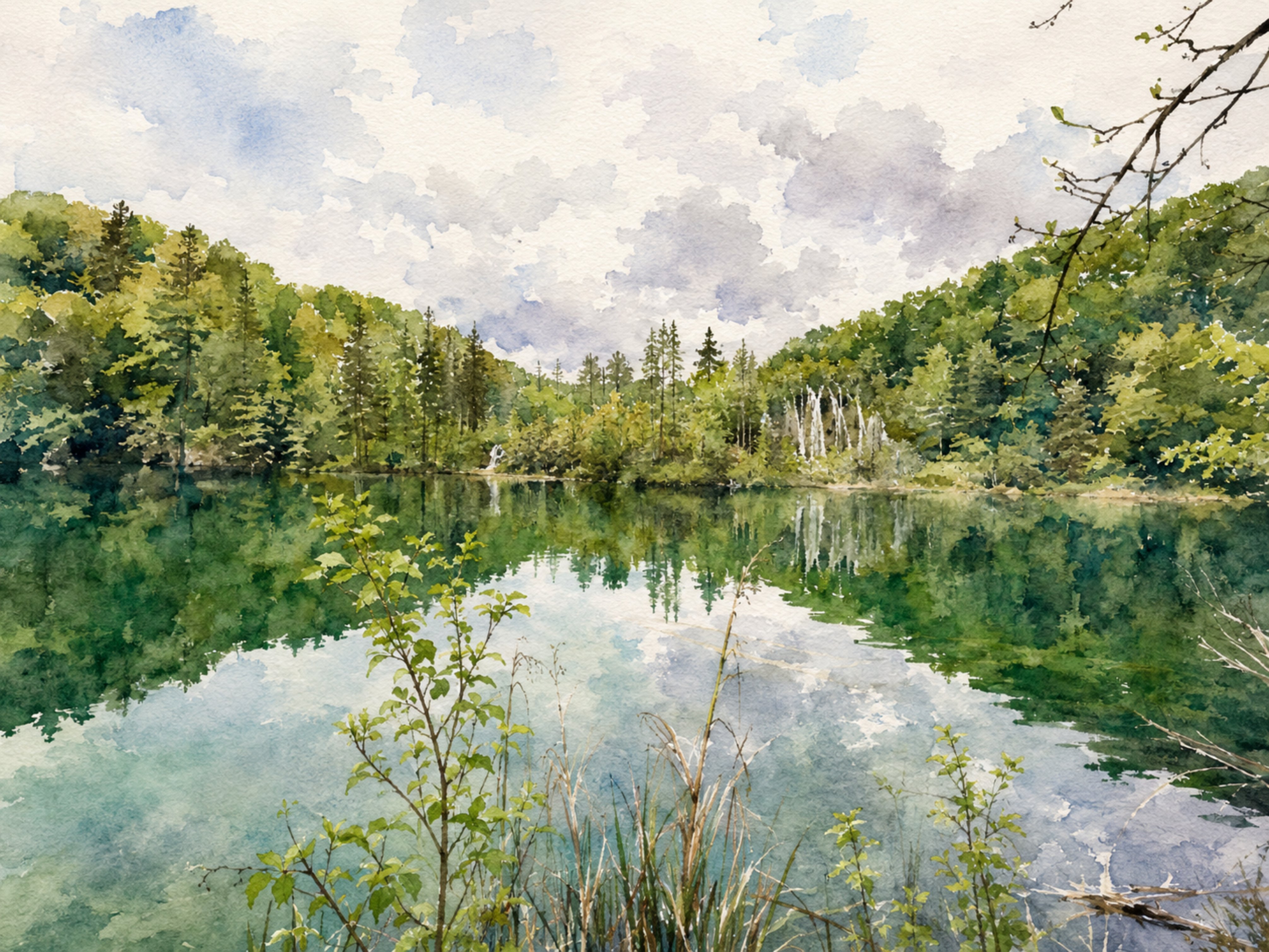
Reflective of Tomorrow
Photography
Mirrored water holds a flourishing landscape in reflection, transforming the photograph
into an image of possibility. Rather than constructing an idealised future, the work
turns towards something that already exists and asks a more difficult question: whether
landscapes of such richness will remain part of our tomorrow, and what responsibility
their preservation demands from us.
Borrowed Survival
Photography
A solitary flower reaches around a human-made structure towards the light, adapting in order to
survive. Its persistence is hopeful, but also cautionary: resilience should never become an excuse for neglect.
Closing Nature’s Abundance, the work returns the environmental question to humanity itself. We are not separate
from the systems whose survival we debate; we depend upon them. Our survival is shared, and our time within this
abundant Earth is ultimately borrowed.